Source DMX 512 Control LED Curtain for Stage, Film, and Dance
Find 30 DMX 512 control LED curtain options for stage performances, film productions, and dance effects. Compare models like HM-R203 and HM-L306BW, featuring RGB 3-in-1 LEDs, fireproof velvet materials, and customizable sizes from 2x3m to 4x8m.
Key considerations
Products List


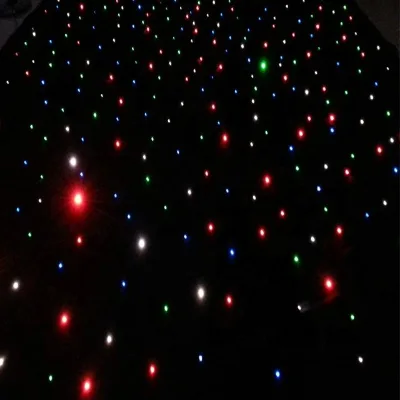

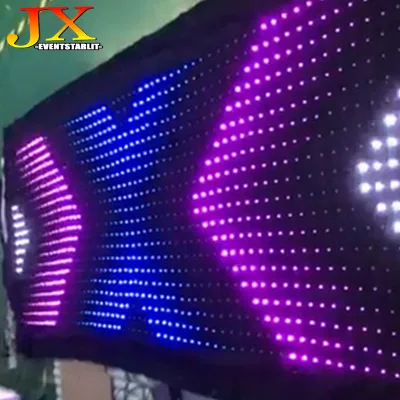


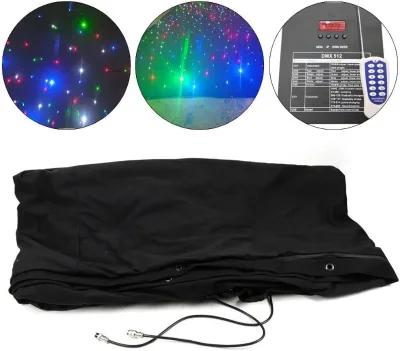
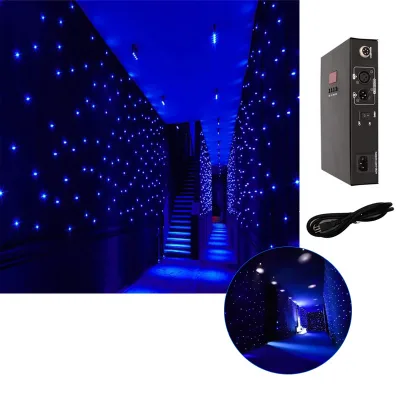
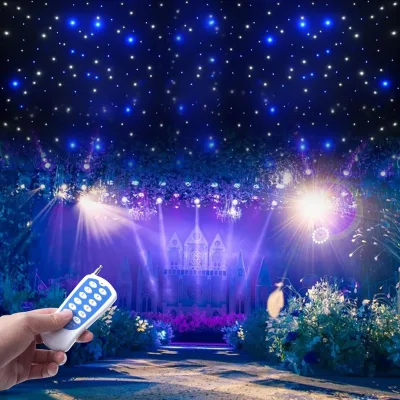
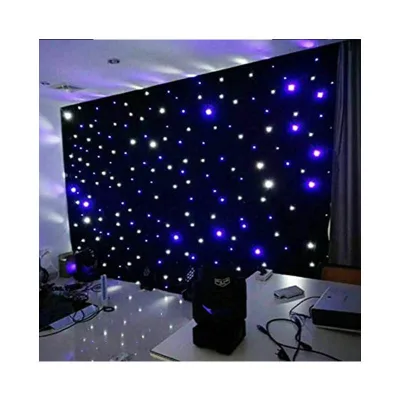
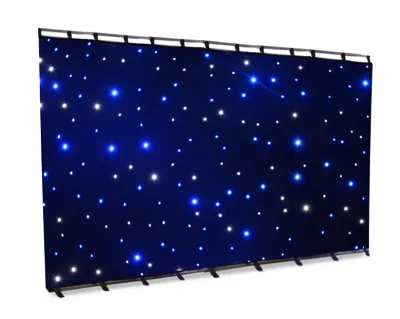


Comprehensive Sourcing Guide
DMX 512 Control LED Curtain Sourcing Guide
Sourcing DMX 512 control LED curtains requires a precise understanding of how these specialized lighting fixtures integrate into larger stage and production ecosystems. These devices are not merely decorative elements but active components of a lighting rig, designed to provide dynamic visual effects through programmable color and pattern scanning. The core functionality relies on the integration of high-density LED arrays within fireproof velvet materials, allowing for seamless blending with stage environments while delivering vibrant, controllable light output. Buyers must recognize that the value proposition lies in the synchronization capabilities, ensuring that the curtain’s behavior aligns perfectly with other DMX-controlled fixtures such as moving heads, wash lights, and strobes.
The procurement process for these items is heavily influenced by the specific application context, whether for permanent stage installations, temporary film and television sets, or dance effect lighting. Each scenario demands different considerations regarding durability, heat dissipation, and control complexity. For instance, a dance venue may prioritize rapid pattern changes and sound-active modes, while a film production might require precise color temperature consistency and flicker-free operation. Understanding these nuances is critical for selecting the right model, as the available product range includes variations in LED density, control channels, and physical dimensions. This guide provides a structured approach to evaluating these variables, ensuring that procurement decisions are based on verified technical specifications and commercial realities rather than marketing assumptions.
Product Scope and Observed Listing Signals
The current market for DMX 512 control LED curtains presents a diverse array of options, with observed price points ranging from approximately $2.50 to $2,800 USD. This wide variance reflects differences in LED density, material quality, control system sophistication, and included accessories such as flight cases or specialized mounting hardware. Minimum Order Quantities (MOQs) typically range from 1 to 200 units, indicating that suppliers cater to both individual event organizers and large-scale production companies. Buyers should note that lower price points often correspond to basic models with standard LED densities and fewer control features, while higher-end units may offer advanced programming, higher IP ratings, and more robust construction materials.
Observed listing signals reveal that many suppliers offer customization options, allowing buyers to specify dimensions, curtain colors, and LED configurations. Common standard sizes include 2x3m, 3x4m, 3x6m, 4x6m, and 4x8m, though many manufacturers support custom sizing to fit unique stage architectures. The materials used are predominantly fireproof velvet, with some products featuring double-decker constructions for enhanced durability and light diffusion. LED configurations vary, with common specifications including 5050 SMD LEDs, with densities ranging from approximately 7 to 20 LEDs per square meter. Buyers should carefully review these signals to ensure that the listed specifications match their technical requirements, particularly regarding LED color options such as RGB 3-in-1 or RGBW, and the specific control protocols supported by the unit.
Technical Specifications to Verify
When evaluating DMX 512 control LED curtains, the control system is a primary technical consideration. Most units support multiple control modes, including All On, Sound Active, Automatic, and DMX 512 Control. The DMX 512 protocol is essential for integration into professional lighting consoles, allowing for precise synchronization with other stage equipment. Buyers should verify the number of DMX channels required by the unit, as this impacts the capacity of the lighting console and the complexity of the patching setup. Common configurations include 8-channel setups, which offer a balance between control flexibility and simplicity, but more complex units may require additional channels for advanced effects.
LED specifications and power requirements are equally critical for ensuring reliable performance. The lamp source is typically 5050 SMD LEDs, with some models offering RGB 3-in-1 or RGBW color options. Buyers must verify the LED density, as this affects brightness and visual resolution. For example, some models specify approximately 7 LEDs per square meter, while others offer 20 LEDs per square meter, providing higher brightness and more detailed patterns. Input voltage and wattage also vary, with some units operating on AC 90V~260V/50Hz and others requiring DC 12V power supplies. Understanding these electrical requirements is essential for proper power distribution and safety planning, particularly in large-scale installations where power load balancing is crucial.
Compliance and Safety Documentation
Safety and compliance are paramount when sourcing lighting equipment for public or professional use. Many DMX 512 control LED curtains come with certifications such as CE, RoHS, and GS, indicating adherence to European safety and environmental standards. Some products also feature CCC certification, which is required for sales in the Chinese market, and SGS testing reports, which provide additional assurance of quality and safety. Buyers should request copies of these certifications to verify that the products meet the regulatory requirements of their target markets. It is important to note that certification status can vary between suppliers and even between different models from the same supplier, so direct verification is necessary.
In addition to electrical safety, fire safety is a critical consideration for LED curtains, given their proximity to stage fabrics and potential heat generation. Many products are constructed from fireproof velvet materials, with some featuring double-decker constructions for enhanced fire resistance. Buyers should verify the fireproof rating of the materials used and ensure that the product meets local fire codes and regulations. IP ratings are also relevant, with some units offering IP20 ratings for indoor use and others providing IP65 ratings for outdoor or high-humidity environments. Understanding the IP rating helps buyers select the appropriate product for their specific installation environment, ensuring long-term reliability and safety.
Cost Drivers and Commercial Terms
The cost of DMX 512 control LED curtains is influenced by several factors, including LED density, control system complexity, material quality, and packaging. Higher LED densities and more advanced control systems typically result in higher prices, as they require more components and sophisticated manufacturing processes. The choice of material, such as single versus double-decker fireproof velvet, also impacts cost, with more robust materials commanding a premium. Packaging options, such as flight cases versus standard cartons, can affect shipping costs and product protection, with flight cases offering superior protection but at a higher price point.
Commercial terms, including MOQs and lead times, vary among suppliers and can significantly impact procurement planning. While some suppliers offer low MOQs for trial orders, others may require larger quantities to achieve competitive pricing. Buyers should negotiate terms that align with their budget and inventory management strategies, considering factors such as storage capacity and project timelines. It is also important to clarify shipping and handling responsibilities, as well as warranty and support policies, to ensure that any potential issues are addressed promptly. Understanding these commercial dynamics helps buyers make informed decisions that balance cost, quality, and service.
Supplier Qualification and Quality Control
Selecting a reliable supplier is crucial for ensuring the quality and consistency of DMX 512 control LED curtains. Buyers should verify the supplier’s manufacturing capabilities, including their production facilities, quality control processes, and experience in the lighting industry. Suppliers based in Guangzhou, China, are common in this market, but buyers should not assume that all suppliers from this region meet the same quality standards. It is advisable to request samples or conduct factory audits to assess the supplier’s ability to meet specific technical and quality requirements.
Quality control measures should include rigorous testing of electrical components, LED performance, and control system functionality. Buyers should inquire about the supplier’s testing protocols, including burn-in tests, color consistency checks, and DMX communication tests. Additionally, suppliers should provide clear documentation of their quality control processes, including inspection reports and defect rates. Establishing a strong relationship with a supplier who prioritizes quality control can help mitigate risks and ensure that the purchased products meet the expected performance standards.
Long-Term Procurement Checks
Long-term procurement success depends on ongoing evaluation of supplier performance and product reliability. Buyers should monitor key performance indicators such as delivery times, product defect rates, and customer support responsiveness. Regular communication with suppliers can help identify potential issues early and facilitate continuous improvement. It is also important to stay updated on industry trends and technological advancements, as new LED technologies and control protocols may offer improved performance or cost savings.
Maintaining a diverse supplier base can help mitigate risks associated with supply chain disruptions or quality issues. Buyers should periodically review their supplier portfolio and consider onboarding new suppliers who offer competitive pricing or innovative products. Additionally, buyers should establish clear communication channels for feedback and issue resolution, ensuring that any problems are addressed promptly and effectively. By implementing these long-term procurement checks, buyers can ensure a stable and reliable supply of DMX 512 control LED curtains, supporting their operational needs and business goals.
FAQs
What control systems are available for dmx 512 control led curtain?
The dmx 512 control led curtain supports multiple control modes including All on, Sound Active, Automatic, and DMX 512 Control. These systems allow for flexible operation depending on the event type. Users can choose between simple automatic modes or precise DMX integration for professional stage and film applications.
What certifications do the dmx 512 control led curtain products have?
Products typically hold CE, RoHS, and GS certifications, ensuring compliance with international safety and environmental standards. Some models also feature CCC certification. These credentials verify that the electrical components and materials meet rigorous quality requirements for use in public venues and professional entertainment settings.
Can the dmx 512 control led curtain be customized for specific sizes?
Yes, customization is available for various dimensions. Standard sizes include 2*3m, 3*4m, 3*6m, 4*6m, and 4*8m. Buyers can request specific dimensions to fit their venue requirements. The manufacturer offers tailored solutions to ensure the curtain fits the intended space perfectly for stage or film effects.
What material is used for the dmx 512 control led curtain?
The curtain is constructed from fireproof velvet, often featuring a double-decker design for enhanced durability and light diffusion. This material ensures safety in high-traffic environments while providing a smooth surface for LED integration. The fireproof property is critical for compliance with venue safety regulations during performances.
What is the typical voltage and power consumption for these curtains?
The operating voltage ranges from AC 90V to 260V at 50Hz, ensuring compatibility with various global power standards. Power consumption varies by model, with some units rated at 150W. This wide voltage range allows for stable operation in different regions without the need for additional transformers.
How are the dmx 512 control led curtains packaged for shipping?
Products are packaged in either cartons or flight cases to ensure safe transport. Flight cases provide extra protection for delicate electronic components during international shipping. This robust packaging minimizes the risk of damage, ensuring that the curtain arrives in perfect condition ready for immediate installation and use.